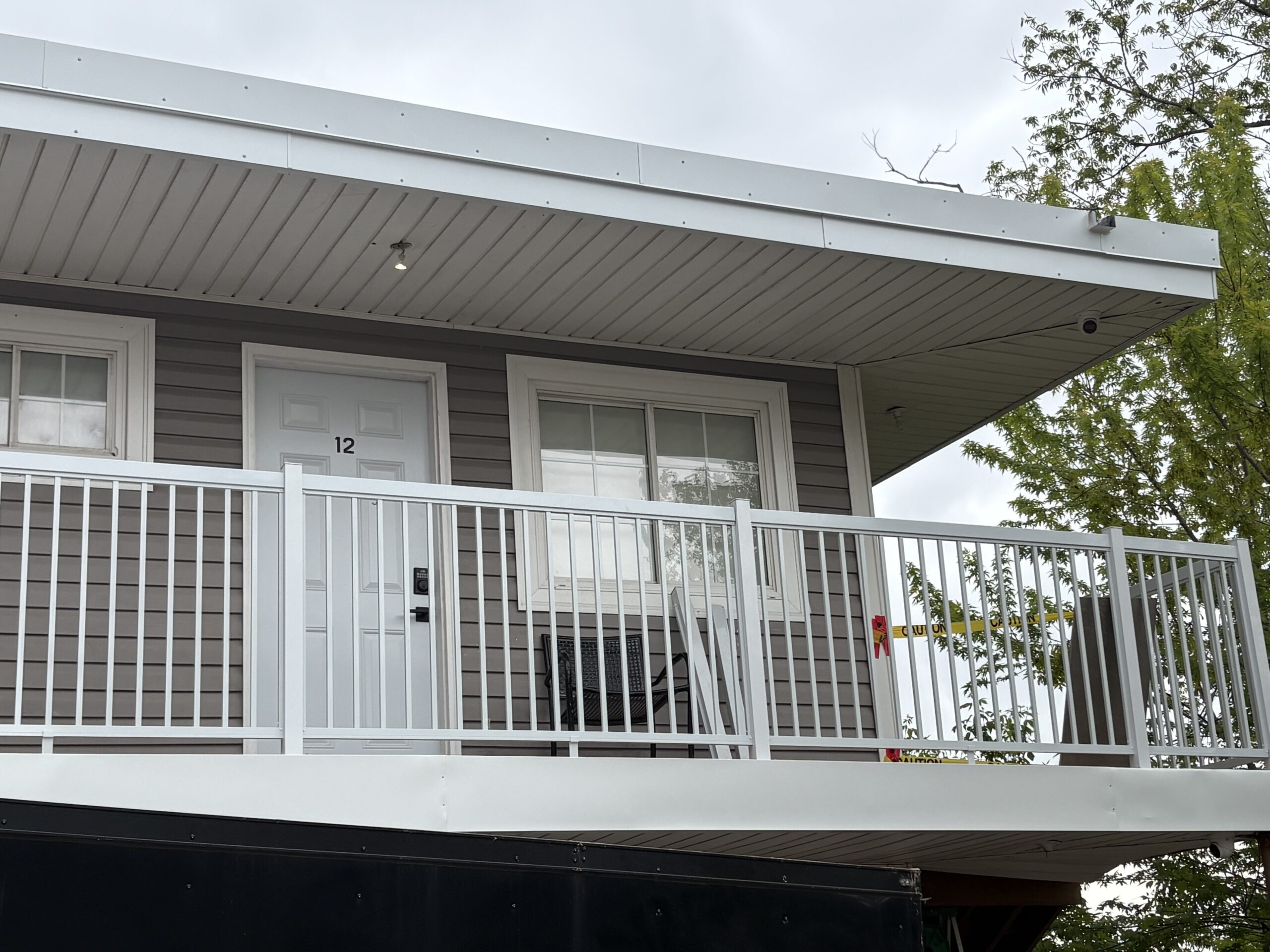

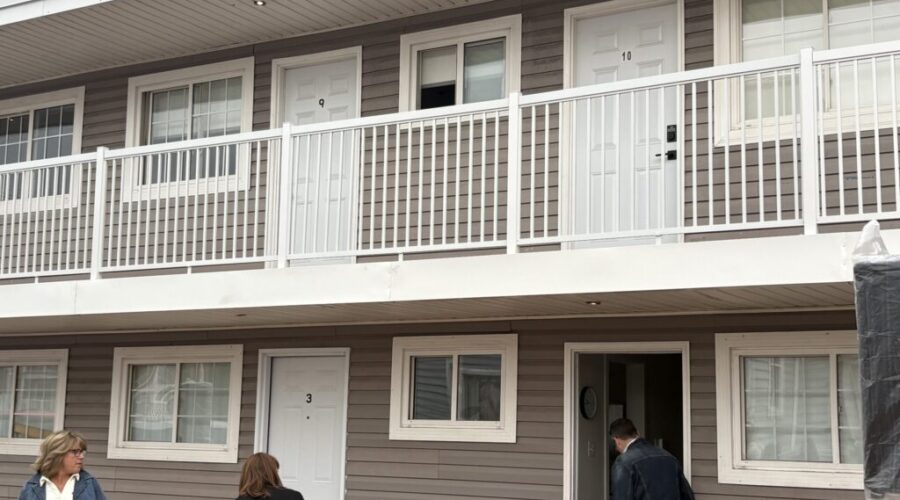
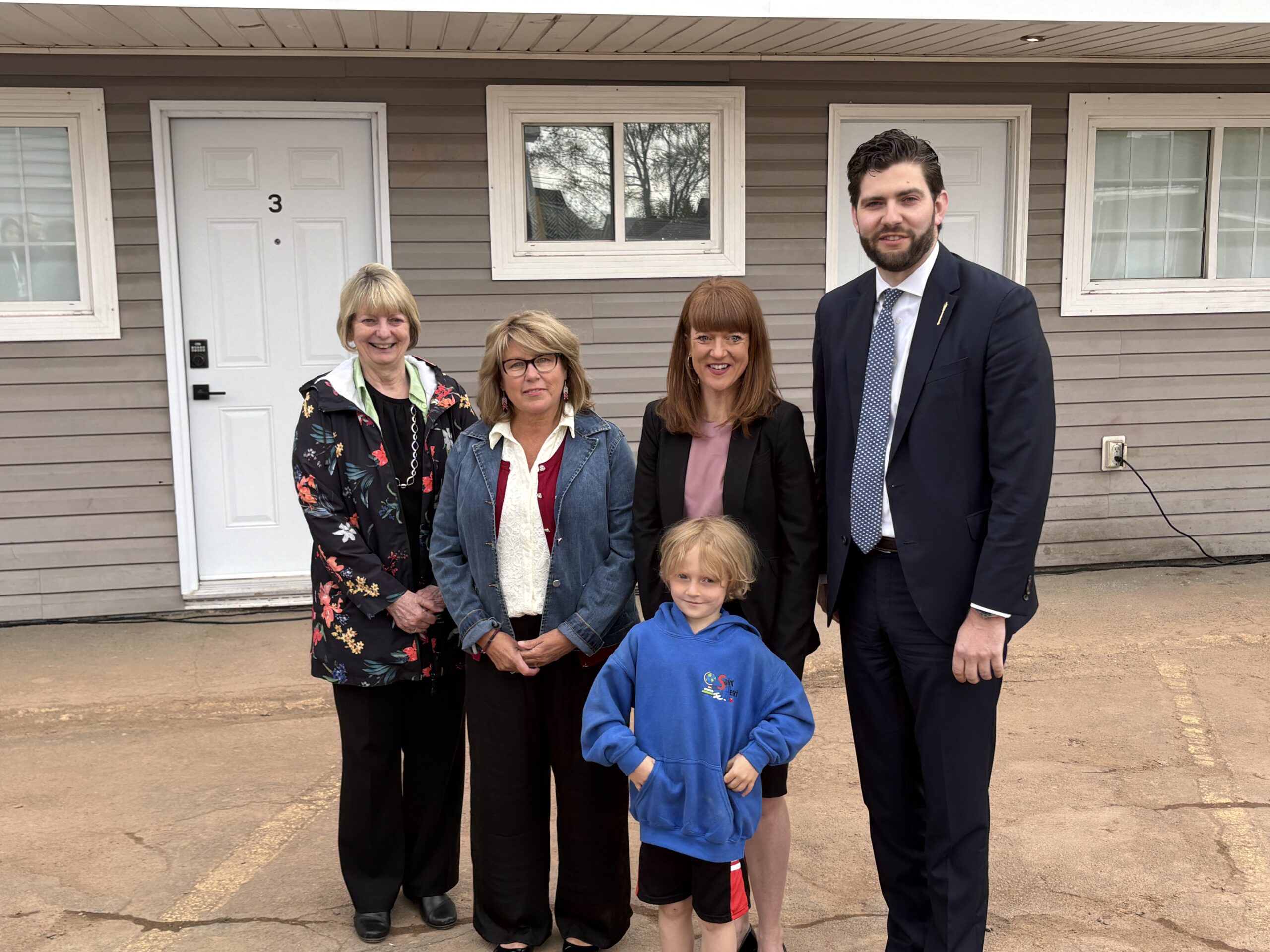
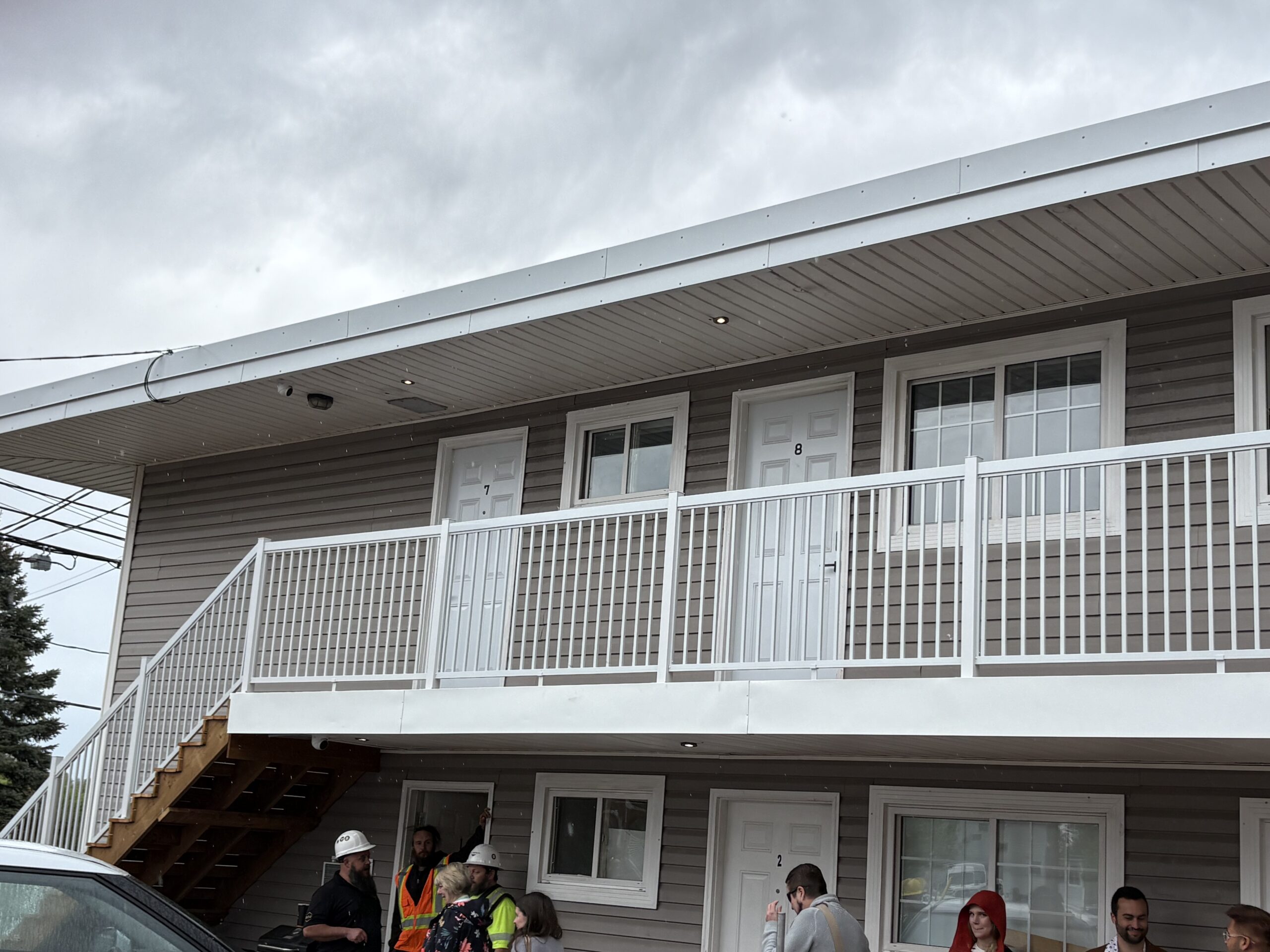
A former Moncton motel will now house 14 people who previously had no place to call home.
The province has invested over $770, 000 to purchase and renovate the Main Street property, formerly known as the Go Motel.
“The 14 units are intended to act as transitional housing. This is people coming directly out of a tent, directly out of a shelter, into permanent in-community housing,” New Brunswick Housing Minister David Hickey explained.
He added that this is part of the $7.4 million in emergency funding that was secured in September 2025 for supportive housing projects that would lead to more permanent housing.
The United Way will manage the property, and Salvus Clinic will offer on-site programs from a home adjacent to the site.
“We also have the house behind, and on Bishop Street, so we intend to see further development here. A longer term vision may include housing on Bishop with this property, but we really see the opportunity of this being important in-community transitional housing,” Hicks said.
“We know, squarely, Moncton is the community most acutely affected by homelessness, and all the challenges that come along with that, and we’re making sure that we make priority of building new, in-community supported housing units here.”
Hickey stated that as of the last count this month, 519 people in Moncton are chronically homeless.
“This is the first time over the last six months that we have, in seven years, that we’ve seen homelessness numbers start to plateau and actually start to go down,” Hickey stressed.
The province has set a goal for a 40 per cent reduction in chronic homelessness, and Hickey says they are on track to do that.
“We’ve got to make sure that these units continue to serve more than just 14 people, and we continue to build at a pace that delivers that urgency that people are expecting,” Hickey explained.
Social Development Minister Cindy Miles says this project is not just about building 14 units, it’s about life-changing opportunities and helping to create a clear and stable direction for people that will help them get back on their feet.
“Providing supports that will help people get the skills that they want and need and deserve to be able to go on and live the best life they deserve to live,” Miles stated.
She added that social development will help tenants get those life skills and access to education and employment, and manage finances.
The Salvus clinic will also be on site to provide services related to mental health and substance abuse.
“We want to keep people home, we want to keep people housed,” Miles stressed.