


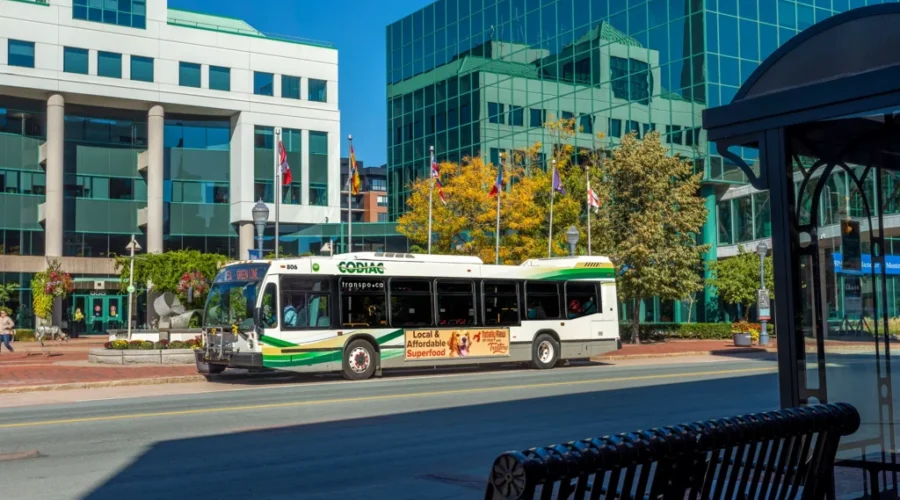
The City of Moncton has adopted an ambitious plan to reduce greenhouse gas emissions.
Moncton City Council approved the Community Energy and Emissions Plan (CEEP) this week in an effort to get the city to net zero by 2050.
Net zero emissions are achieved when emissions of greenhouse gases to the atmosphere are balanced by removals over a specified period.
“Like cities all around the world, we feel the pressures of climate change more than ever before. Collectively, we need to take innovative and bold steps to reduce our emissions and harness the opportunities that transitioning to greener energy sources enables,” says Mayor Dawn Arnold.
“We are pleased to launch this report and lead the way but will continue to work with partners and other
organizations to collectively reduce our emissions which cannot be done by the municipality alone.”
Adopting the CEEP follows Moncton City Council’s declaration of a climate emergency in 2019 along with other major cities and Moncton’s Climate Action Report in 2020.
That report found 52 percent of Moncton’s emissions come from buildings and 38 percent come from transportation.
Some proposed actions include ensuring all new buildings are built to net zero energy standards by 2030 and placing more emphasis on electric buses.
Other actions include ensuring more multi-unit mixed-use and residential buildings are built to increase urban density and a parking surcharge on vehicles with internal combustion engines in the shift to electric vehicles.
The plan from 2022 to 2050 would require a $4.7 billion investment from the city, other levels of governments, businesses, community groups and residents but would generate revenue and savings on energy costs and carbon taxes totalling $7 billion.
The CEEP was developed starting with public consultation in 2021 with residents and stakeholders as
well as a validation phase during 2021.
In the months ahead, the City of Moncton will continue to work with residents, stakeholders and other levels of government to realize the plan.